
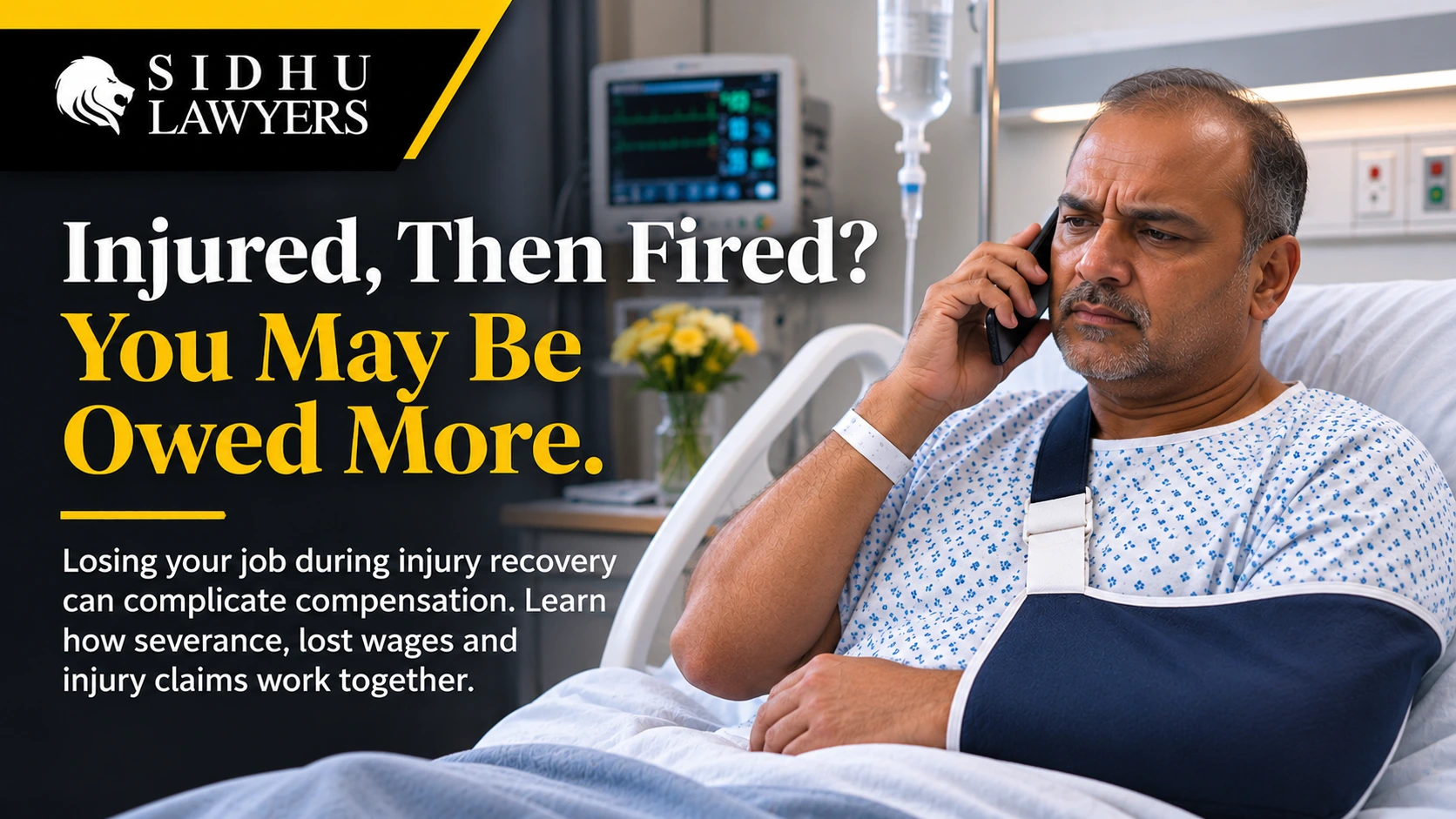
Yes, you can generally receive severance pay and a personal injury settlement at the same time because they compensate for different types of losses. Severance pay covers an employee’s financial entitlements after termination, while a personal injury settlement compensates for accident-related losses, including lost income, reduced future earning capacity, pain and suffering, and medical expenses.
However, receiving both payments does not automatically mean you can collect every benefit or damage award without deductions. Your employment agreement, insurance policies, settlement documents, and the circumstances surrounding your job loss can affect your entitlements.
If an accident has affected your ability to work and you have also been dismissed, a personal injury lawyer in Calgary can help assess your potential compensation and identify any overlapping claims before you sign a settlement or release.
What Happens to Your Income When an Accident Takes You Away From Work?
An accident can affect your employment income by preventing you from working, reducing your hours, or limiting the duties you can perform. These financial consequences may continue throughout medical treatment and rehabilitation, particularly when an injury affects your ability to return to your previous occupation.
Consider an employee who earns $1,400 per week as a warehouse supervisor. After a motor vehicle accident, the employee sustains a shoulder injury that prevents them from lifting heavy equipment. Their doctor recommends six weeks away from work, followed by a gradual return with modified duties.
There are several ways an injured person may receive financial support during this period:
| Employer Benefits Workplace disability insurance, paid sick leave, short-term disability coverage, or long-term disability benefits may provide income support, depending on the employment arrangement. | Automobile Accident Benefits Individuals injured in Alberta motor vehicle collisions may qualify for accident benefits, including income replacement benefits under the applicable insurance rules. |
| Workers’ Compensation When an injury occurs in the course of covered employment, the individual may be eligible for benefits through the Workers’ Compensation Board of Alberta (WCB). | Personal Injury Damages Depending on liability and the applicable legal framework, an injured person may pursue compensation for past income loss and reduced future earning capacity. |
These sources of compensation serve different purposes and have different eligibility requirements. Receiving one type of benefit does not automatically establish entitlement to another, and overlapping payments may be subject to coordination or deductions.
Who Is Responsible for Paying You After an Accident?
Determining who may be responsible for an accident victim’s fair compensation requires looking at how the accident happened, what insurance coverage applies, and whether the injury is connected to their employment. The following distinctions are particularly important in Alberta.
When Another Driver Causes the Collision
If someone sustains catastrophic injuries in a motor vehicle collision caused by another driver, they may access accident benefits under their automobile insurance policy and, depending on the applicable insurance system and circumstances, pursue a claim for damages against the responsible party.
- Accident benefits provide eligible support for medical treatment, rehabilitation, and income-related losses.
- They are separate from the employer’s responsibility to provide any applicable employment benefits or termination entitlements.
When the Injury Happens at Work
An accident that occurs while someone is performing their employment duties may fall under Alberta’s workers’ compensation system. WCB Alberta provides eligible workers with benefits that may include wage replacement, medical treatment, rehabilitation, and help returning to work.
- For example, a construction worker who sustains a back injury after falling at a job site may qualify for WCB benefits if the incident meets the applicable coverage requirements.
- However, workers’ compensation claims follow different rules from ordinary personal injury lawsuits.
The circumstances must therefore be assessed before assuming that a conventional personal injury claim is available.
When an Employer Provides Disability Benefits
Some employers offer disability insurance as part of their employee benefits packages. These policies may provide partial income replacement when an employee becomes unable to work because of an injury or illness. The amount, duration, and eligibility requirements depend on the specific policy. Before accepting a settlement or signing a release, review the applicable benefit policy to understand any repayment or offset obligations.

Navigating personal injury claims while dealing with severance, employment changes, and catastrophic injuries can be complicated.
How Losing Your Job Can Complicate an Injury Claim
Losing your job while recovering from an accident can complicate a personal injury settlement because the claim must distinguish income losses caused by the injury from losses caused by the termination of employment. A car accident lawyer can help assess how the accident’s timing, medical restrictions, and employment decisions affect a claim. Consider three possible situations.
Temporary inability to return to work
An employee may be unable to perform their regular duties for several weeks or months but is expected to recover. Their injury claim may include income lost during the period they could not work, subject to the applicable legal rules and evidence.
Permanent impairment affecting employment
Someone with a serious injury may return to work but experience lasting limitations. For example, a delivery driver with a permanent knee injury may no longer be able to climb in and out of vehicles throughout the day. Even if the person secures another position, their ability to earn the same income may be reduced. This can raise a claim for loss of future earning capacity.
Termination while recovering
An employee may receive a termination letter while still undergoing treatment. The employer may provide notice or termination pay, but the employee may also need to investigate whether the termination was lawful. The reason for dismissal matters. If an employer terminates someone because of a disability or fails to properly consider reasonable accommodation, the circumstances may raise issues under Alberta human rights legislation.
What Does a Severance Agreement Cover?
A severance agreement sets out the terms under which an employee receives compensation when their employment ends. It may include termination pay, additional compensation, continued benefits for a specified period, and other negotiated terms.
However, an employer’s initial offer does not necessarily represent the employee’s full entitlement. Under Alberta’s Employment Standards Code, employers generally have to provide minimum written notice or termination pay based on an employee’s length of service.
| Length of Employment | Minimum Notice or Pay |
| More than 90 days but less than 2 years | 1 week |
| 2 years but less than 4 years | 2 weeks |
| 4 years but less than 6 years | 4 weeks |
| 6 years but less than 8 years | 5 weeks |
| 8 years but less than 10 years | 6 weeks |
| 10 years or more | 8 weeks |
These are statutory minimums. An employee may have a greater entitlement under an enforceable employment agreement or common law. For example, an employee who has worked for the same Calgary company for 11 years may receive an offer based on the eight-week statutory minimum. Depending on their age, position, employment history, and availability of comparable work, their common-law reasonable notice entitlement could be higher.
Can Signing a Release Affect Your Other Legal Claims?
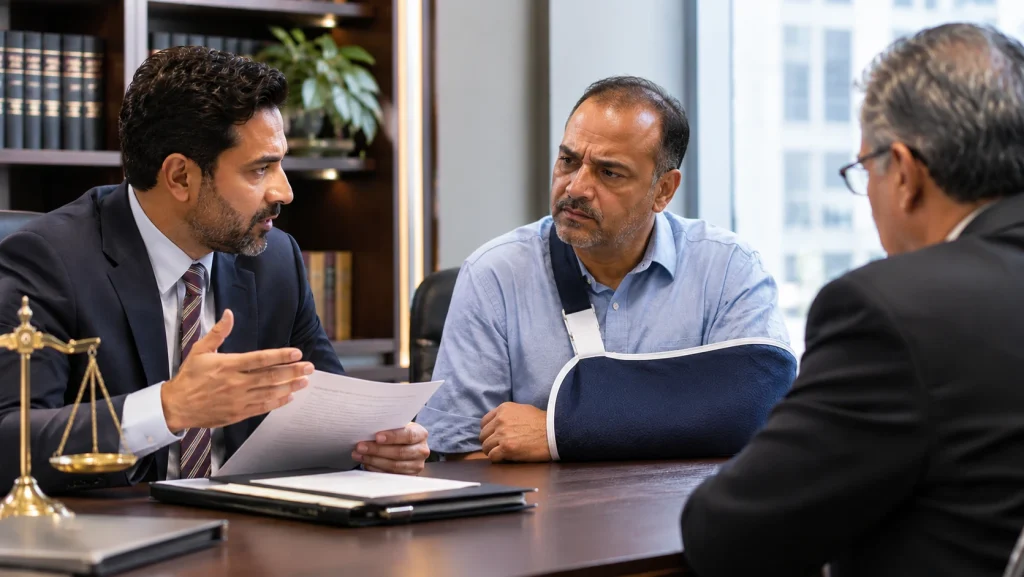
Yes, a release is an agreement in which one party gives up the right to pursue certain claims against another party. Once properly signed and binding, it can significantly limit the individual’s ability to seek additional compensation. The main concern is the agreement’s scope.
For example, an employee may receive a severance offer from their employer that includes language releasing the company, its affiliates, and other specified parties from employment-related claims. The employee may assume signing the document affects only their termination entitlements.
However, the exact wording determines which claims and parties are covered. Broad language may create complications if the employee also has an unrelated dispute or legal claim.
Personal injury settlements have a similar concern. An injured person who accepts a final payment and signs a comprehensive release generally cannot reopen the same claim simply because recovery takes longer than expected or additional expenses arise. Evaluate a settlement based on the rights you give up, not solely on the amount offered.
Protecting Your Financial Recovery with a Personal Injury Lawyer in Calgary
At Sidhu Personal Injury Lawyers Calgary, we understand that serious injuries affect a person’s ability to earn a living, maintain their independence, and meet everyday financial responsibilities. Our Calgary personal injury lawyers help individuals pursue compensation after accidents. With a proven track record of handling personal injury cases, our Calgary attorneys work to protect clients’ interests throughout the claims process.
If an accident has affected your employment or financial stability, speak with our experienced personal injury lawyers before accepting a final injury settlement. Contact us for a free consultation to discuss your circumstances and understand your legal options.
Frequently Asked Questions
Can personal injury litigation continue while I negotiate my severance package?
Yes, personal injury litigation and employment-related negotiations can generally proceed at the same time because they involve different legal challenges and potentially different parties. For example, an employee may negotiate termination compensation with their former employer while pursuing a personal injury claim against the driver responsible for a motor vehicle accident. A personal injury law firm ensures that employment negotiations do not unintentionally interfere with the injured person’s rights in separate personal injury cases.
What should I do if my employer and the insurance company disagree about who owes me compensation?
You should first identify the purpose of each payment and the legal responsibility of each party. An employer may be responsible for employment-related termination entitlements, while an automobile insurer may have obligations under applicable accident benefits coverage. A separate at-fault party may also face liability for compensable accident-related losses. Reviewing the employment agreement, insurance policies, and accident records with your legal team can determine which insurance claims to pursue and whether any payment coordination rules apply.
Can an insurance company challenge my car accident claim because I returned to work?
Yes, an insurance company may examine your return to work when assessing the extent of your financial losses, but returning to employment does not automatically invalidate a personal injury claim. For example, someone who sustains traumatic brain injuries in a severe accident may return to a less demanding position while continuing to experience memory problems, fatigue, or difficulty concentrating. These limitations may affect their productivity and long-term earning potential.


